Another Summer in the Anthropocene
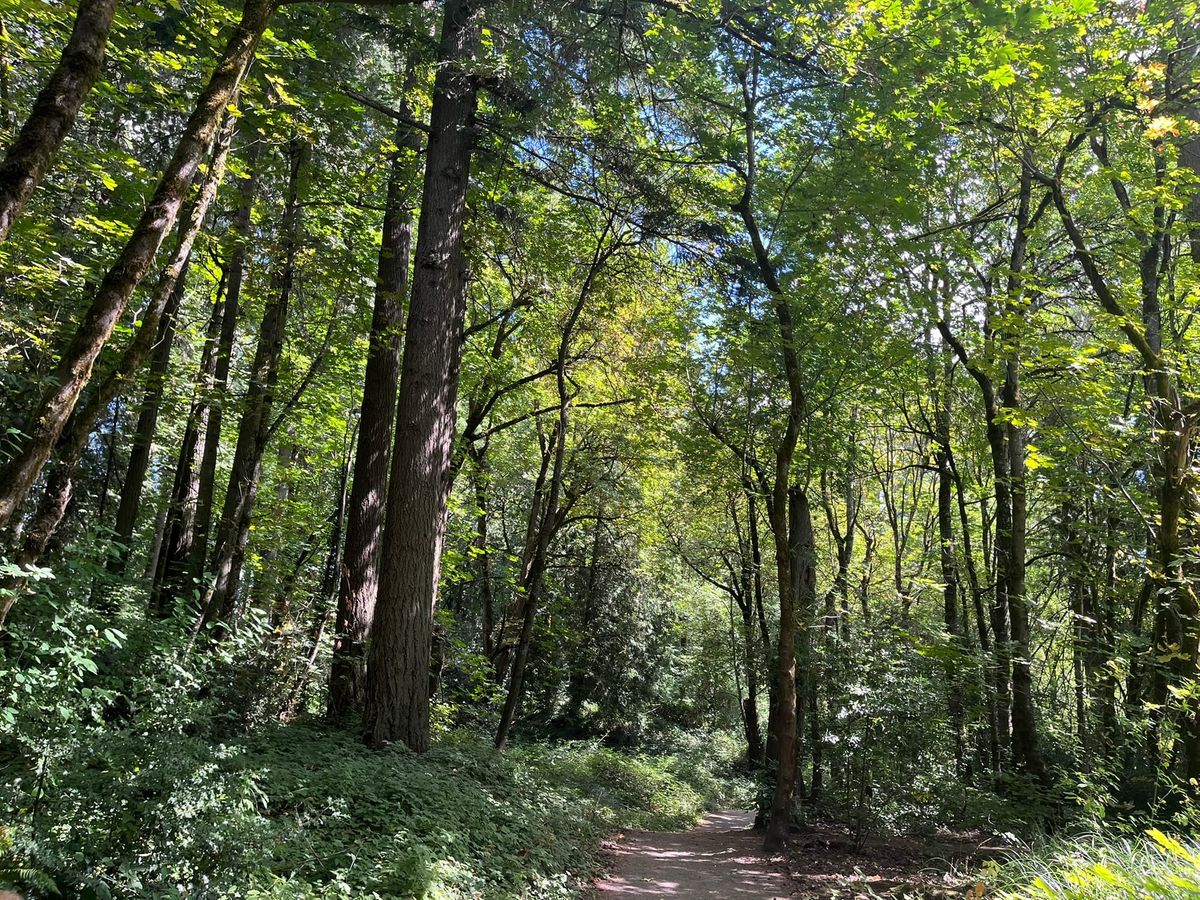
As summer comes to a close, today is a beautiful day in Boulder, Colorado with blue skies and a comfortable 80-degree temperature. After weeks of the pall of smoke blotting out the sun and tingeing everything an odd color that looks like a Breaking Bad filter, today is truly a breath of fresh air. Throughout our travels this summer, the specter of climate change has been ever-present, and the sense that we may be seeing things for the last time or that will never be the same again has permeated each trip. These are five experiences from this summer that made climate change feel very present.
Disappearing Coral Reefs and Sargassum-Choked Waters
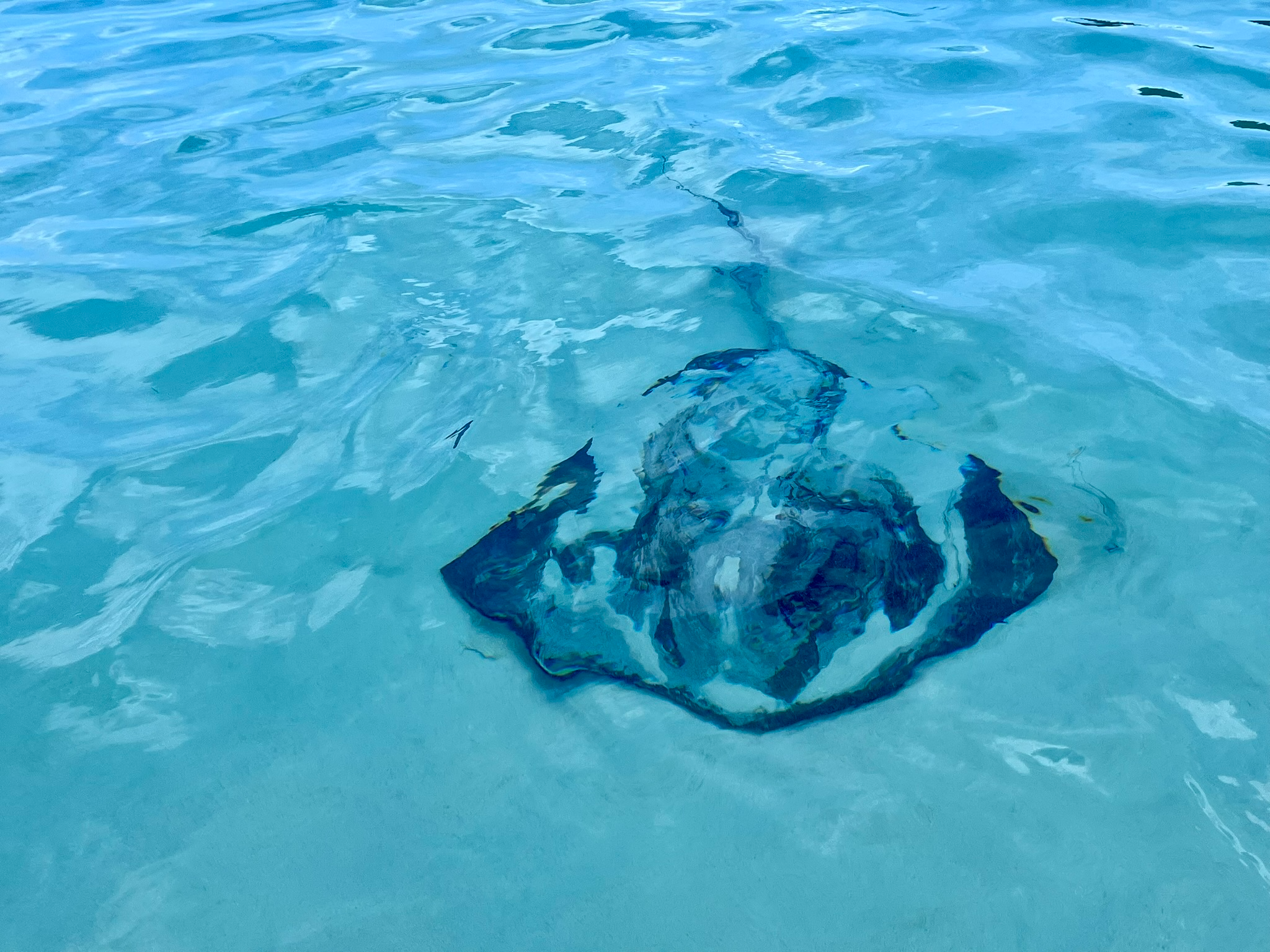
Visiting the Virgin Islands for the first time this summer, one of the very first sights was the waves of sargassum visible from the ferry from Red Hook to St. John. Scientists aren’t quite sure why sargassum has exploded in the Caribbean but attribute the scourge to a combination of agricultural practices in West Africa dumping nitrogen into the sea and warming waters due to climate change. Beaches all over the Caribbean are struggling with sargassum which washes on shore and smells, draws insects to the beach, makes swimming difficult and unpleasant, and most importantly deprives coral of oxygen and sunlight, further stressing the reefs.
Snorkeling on St. John was amazing, but the dearth of live coral and the amount of coral bleaching is also depressing. The decline of coral reefs is partly due to warming oceans, partly due to human pollution (including sunscreen), and partly a result of hurricane damage with hurricanes becoming more frequent and intense due to warming ocean temperatures.
Enjoying the beaches of the U.S. and British Virgin Islands, I felt a deep privilege to get to experience the warm, sapphire waters and commune with the sea life. At the same time, I wonder how much longer this experience will be available to us.
Weather Extremes and Shrinking Glaciers
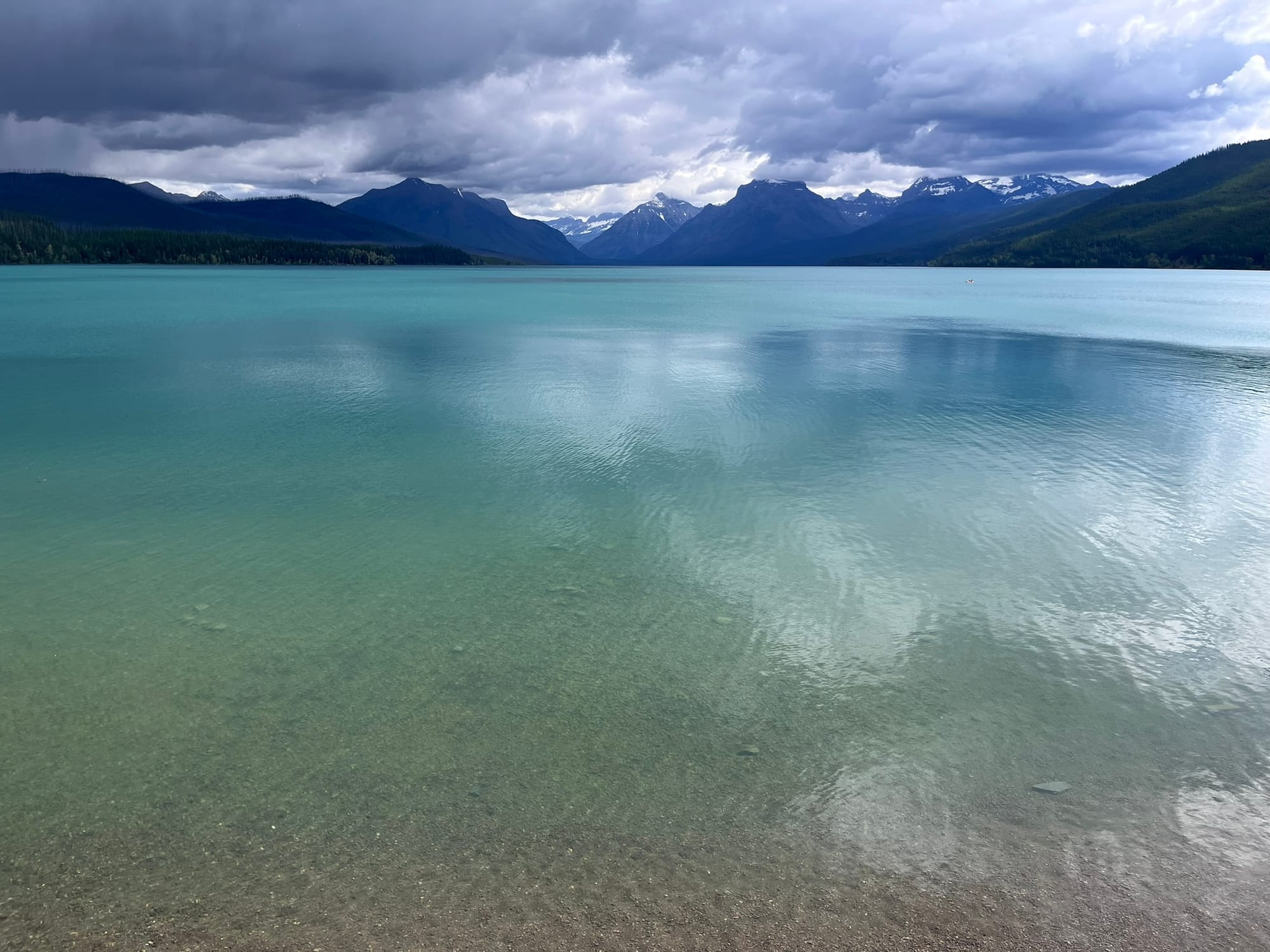
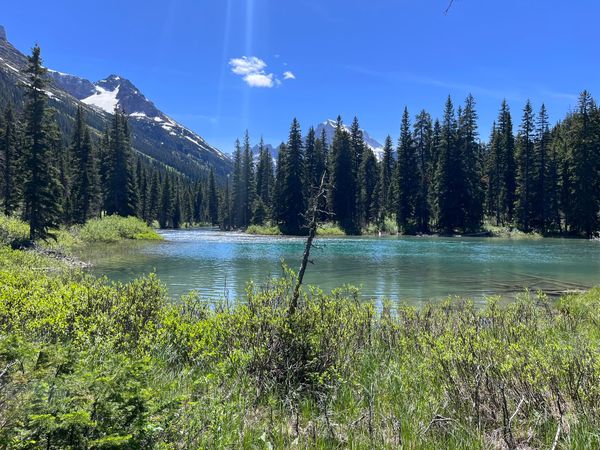
Our first trip to Glacier National Park was another summer highlight. I was not prepared for the beauty of the glacial lakes, carved by ice in a very different climate than our climate of today. The blues, greens, azures, and even reddish casts to the water caused by glaciers grinding minerals into fine particles is something no picture or video can truly capture.
Visiting in mid-June, summer had not yet arrived to the park and we experienced both cold rain and snow, with Going to the Sun Road not fully open for the season. Waters were rising while we were there, and about a week after we left, the park experienced significant flooding and the Many Glacier area was evacuated. This weather was unusual and while it cannot be definitely connected to climate change, more extreme weather and damaging storms are consequences of a warming world.
The shrinking glaciers are directly attributable to climate change and one of the reasons we wanted to visit Glacier National Park sooner rather than later. Glaciers that have lasted millennia may not be around at the end of this century.
A Summer without Cool Nights and Campfires
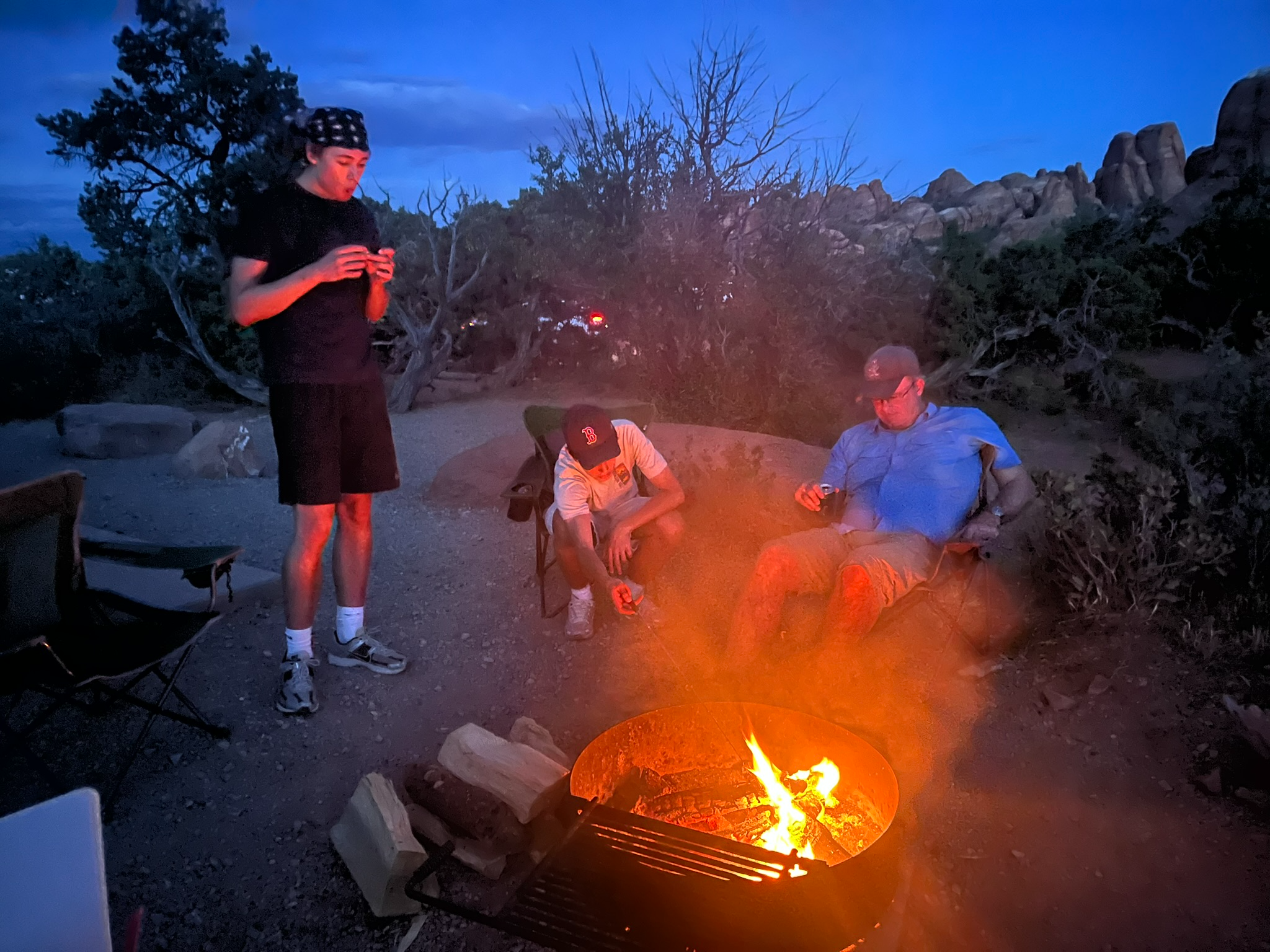
Sitting around the campfire, talking and eating smores, feeling the chill of evening in the mountains, and seeing the vast sky full of stars has been a summer highlight of most years living in the Rocky Mountain West. However, the nights remained warm this year, even at altitude; and due to drought conditions, campfires are banned in most of Colorado. Whether from the nearby fires that hit our state in July, or smoke blowing in from more distant fires in August, the stars have been obscured many nights. Camping just isn’t the same without cool nights, campfires, and the company of a million stars.
Color Draining from Leaves in Summer
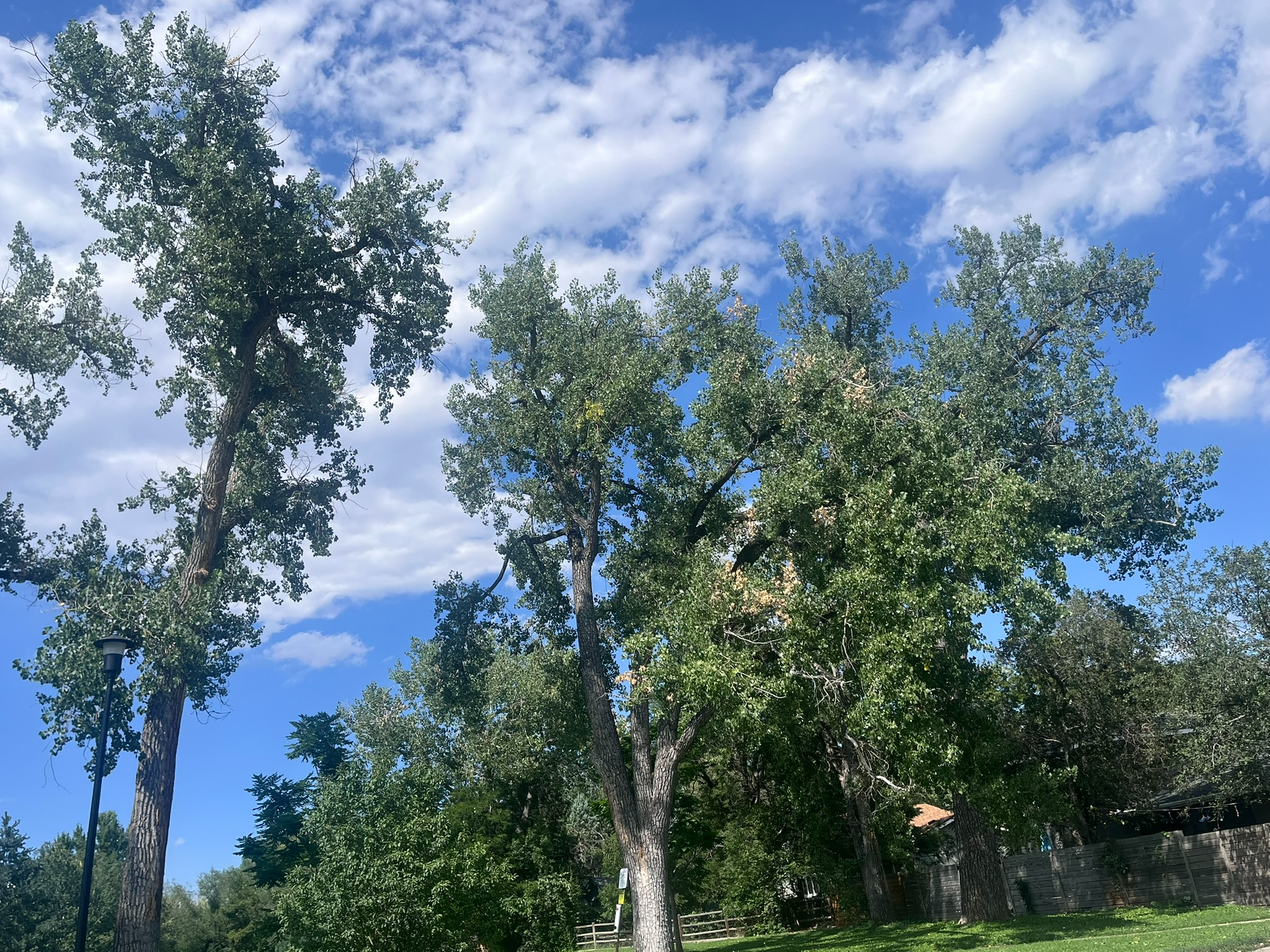
I first noticed the ochre and amber leaves on maple trees in the Portland, Oregon suburbs in July. Coming home to Boulder in early August, browns and yellows were already visible in the cottonwoods. Tiny, dry apples and crabapples began falling back in June, with little fruit left in August as we approach the season when fruit should be ripening. Drought across the west has deprived trees of the water they need to grow and thrive. Across dozens of 90-degree plus days, the wind has felt like a hairdryer and the crispy sound of the leaves an unnatural, constant background noise.
Will there be a goldrush of yellow Aspen leaves this fall, or will the leaves shrivel and drop before the usual September nature show? Given the conditions now in mid-August, it is hard to imagine a vibrant fall.
Where has all the Water Gone?
The first sign was all the way back in April, when Four Mile Creek by our house only had water running in it for two days. Usually we have several weeks of running water, and in wet years, the creek runs all year. However, when water is short, the agricultural water system diverts water away from our creek and it stays dry. The next sign was when we were looking to plan a boating trip, and all the reservoirs are low on water with many docks being unusable.
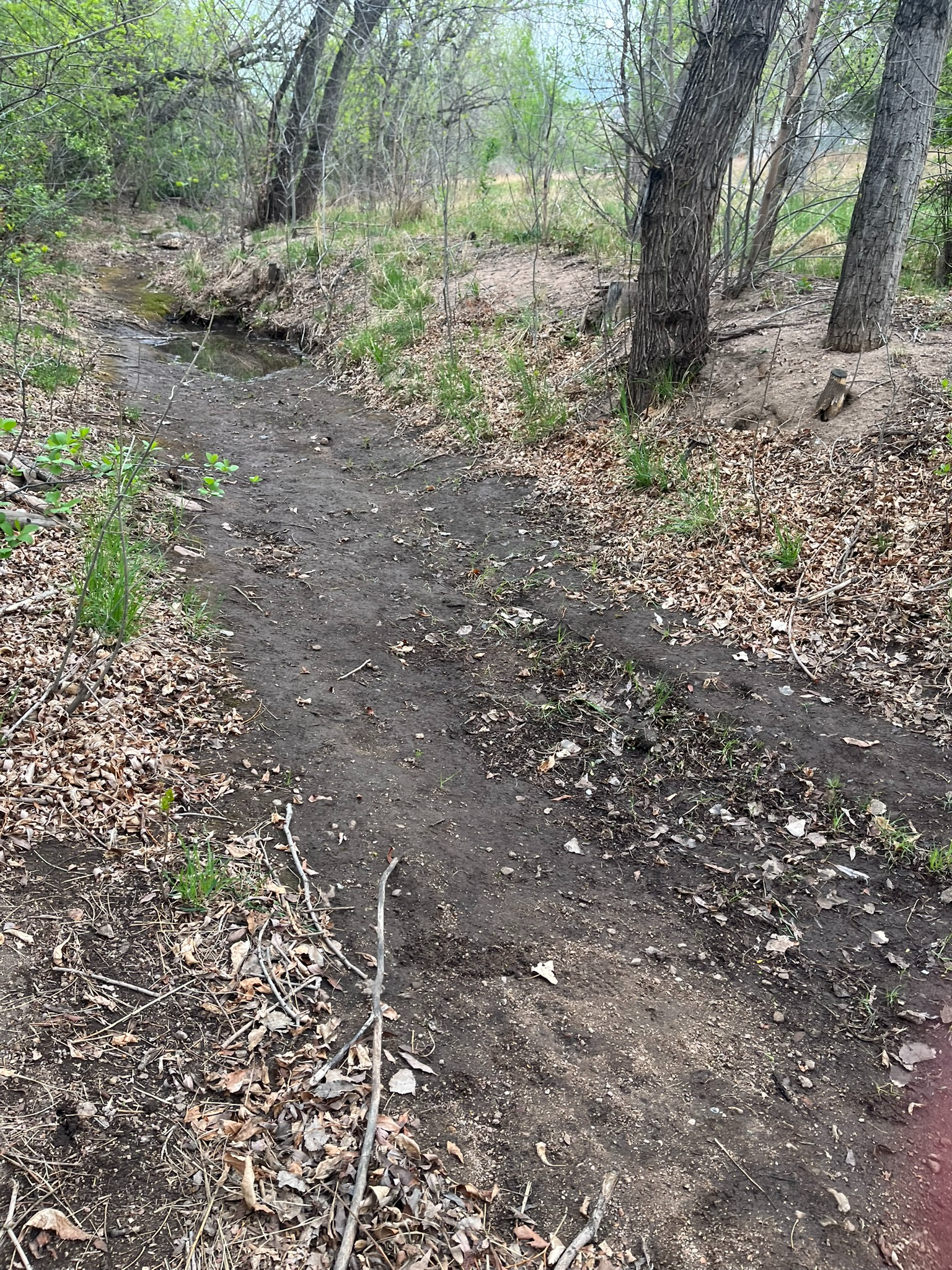
Now, the evidence of drought is everywhere, with waterfalls and streams at a trickle, bathtub rings in every reservoir, crackling dry air with no humidity, and parched soil releasing a fine dust that settles over everything. After a winter with no snow, we have had a summer with almost no rain. Weather forecasters are giving us the hope of a “super El Nino” that should lead to a wet fall and winter, but so far that moisture has not materialized.
A New Abnormal?
It just feels like everything is different. Days are hot and smoky. Nights are warm and stuffy. The wind is drier and more ominous because it brings the faint but ever-present danger of fire ignition. The water is warmer and more precious. The color of everything is off due to the smoke.
If anything, this makes me want to look more closely at everything and remember the sight, smell, and feel of the forest, the water, the sand, and the air. Everything is changing, yet we are still surrounded by beauty and wonder that we can no longer take for granted.